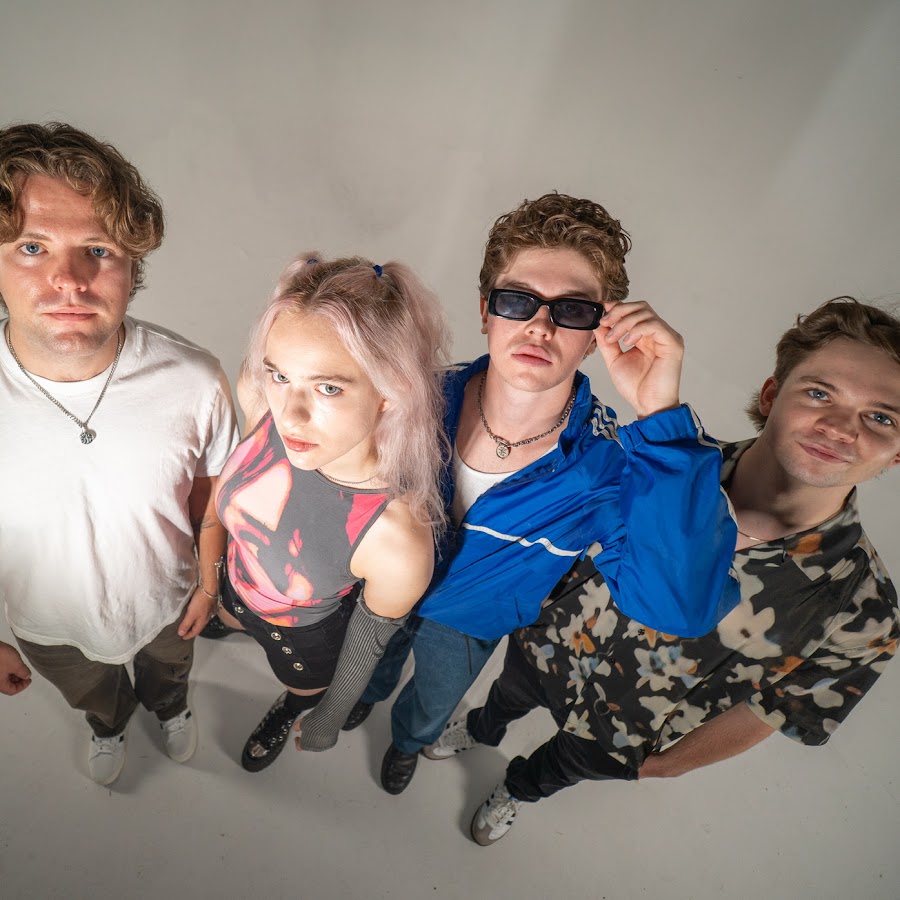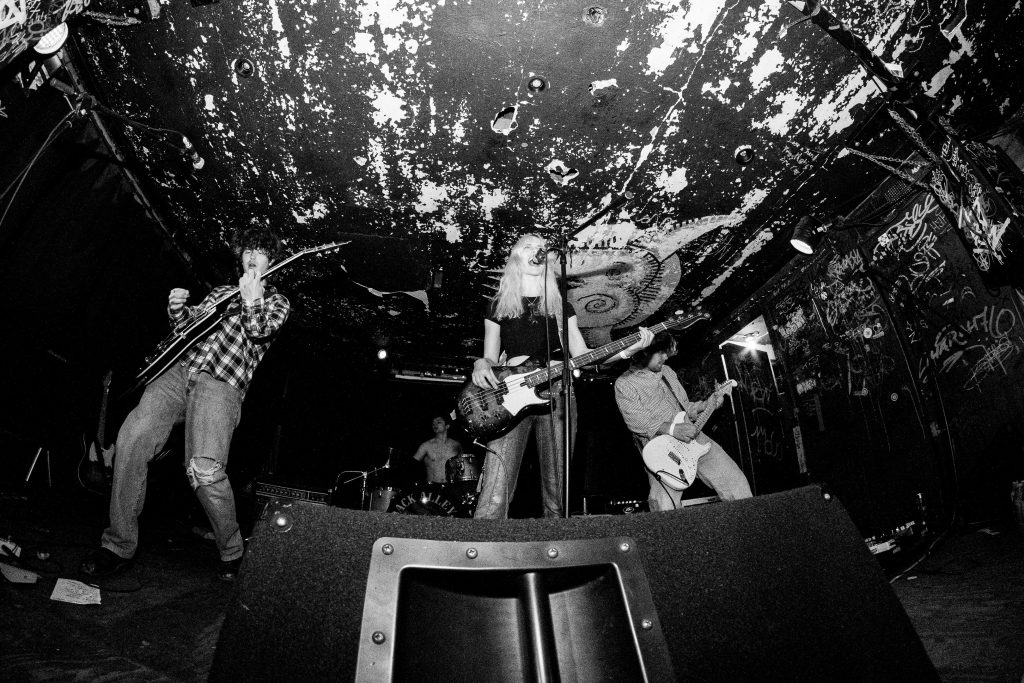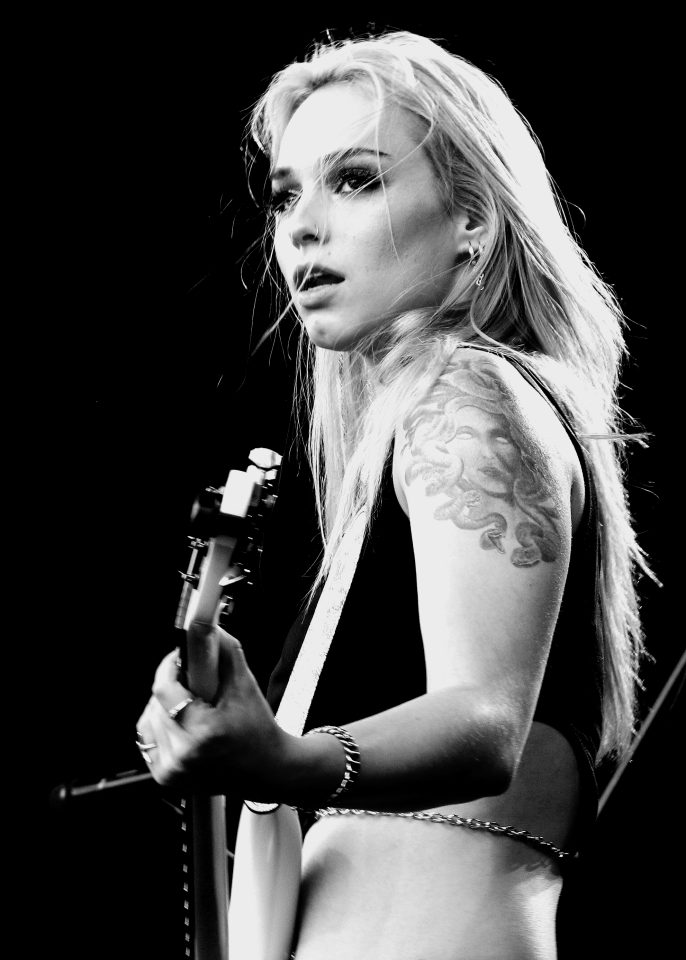
Avalon Stone is not interested in playing small. In this conversation with The Indie Distributor, the Toronto-area hard rock artist opens up about finding herself through music, learning to trust instinct over empty promises, building a career with intention, and navigating the realities of being a woman in a male-dominated genre. What follows is an honest, sharp, and at times vulnerable discussion about songwriting, stage presence, streaming strategy, mental health, and the long road toward building something real in the music industry.
—
The Indie Distributor: Thank you for joining the Indie Distributor podcast. I’m here with Avalon Stone, who’s an exceptional female artist based in the Toronto area. Is that right?
Avalon Stone: Yeah, like around Toronto. Same thing.
The Indie Distributor: Cool. The first thing I usually ask is origin story. How did things get started? I’ve seen a little bit of press about you as a 10-year-old singing a Chris Cornell song. Obviously, a lot happens between a flashpoint like that and the progression of your career. How did things kind of come to be, and how did you make your way in the industry up to now?
Avalon Stone: Yeah. Well, basically I found my love for music when I was around 10, singing Chris Cornell. I’d been listening to music my whole life, but never really fell in love with it because it just wasn’t my thing. I’m not into pop. I also maybe was a little bit of a pick me, because I was like, “Oh, I don’t listen to Justin Bieber. I don’t just listen to the things that everybody else does,” which I now realize is really stupid because Justin Bieber’s really good.
But I always felt like I wanted to separate myself from the other kids in my school, and I was picked on. Then when I started singing rock music with other kids who liked rock, I felt like myself. It felt like something finally clicked, where it was like, “Oh, this is where I belong.”
So then I basically tried to chase that feeling, and I still am, basically. That’s, I mean, people do music because they feel like outcasts, right? And so they find a place where they can belong a lot of the time anyway, and that was what it was for me, and I fell in love with it.
Then basically went to School of Rock, did that, and then started my own band through the people that I met there. We found out about this blues camp that was in town, and I got it recommended to me because a few people I knew were going, and I was like, “Oh, that’s fun.” Met a lot of people there.
Then when I performed at the blues festival, because that’s part of the blues camp, there was somebody there who was like, “You should be on the main stage next year, and I’m going to try and make that happen.” And then I was like, “Oh no, I need a band for that.” So I had to come up with a band, and then entered this competition for blues. I did blues for a while, went to Memphis, did a blues festival down there, did a few things like that. But basically it was just kind of like scrambling.
Like, it’s kind of what it is, right? It’s like, “Oh, there’s this opportunity,” or a suggestion like, “You should be on the main stage next year. I’m going to try and make that happen.” And then I’m like, “Okay.” And then it turns out the guy ended up being pretty flaky and he didn’t try to make it happen, but I made it happen because I won the competition to get there.
So that’s what happens. People will promise you stuff, and they’re probably not going to follow through on things, but you always should. So that’s kind of the message of that, because now I’m here and I’ve been through it. I had that band until I was 17, and then we ended up going into rock.
The Indie Distributor: With the same lineup?
Avalon Stone: I mean, a couple of changeovers because people would go to college or move or things like that. But same band name, almost. Band name, it’s complicated. But yeah, I was doing that for a while, and I made a lot of connections, real connections, not just networking connections, but real connections and really good experiences.
Then when I finally decided to go solo, I had a good base. I had to figure out what I wanted to do, and I did, and here we are.
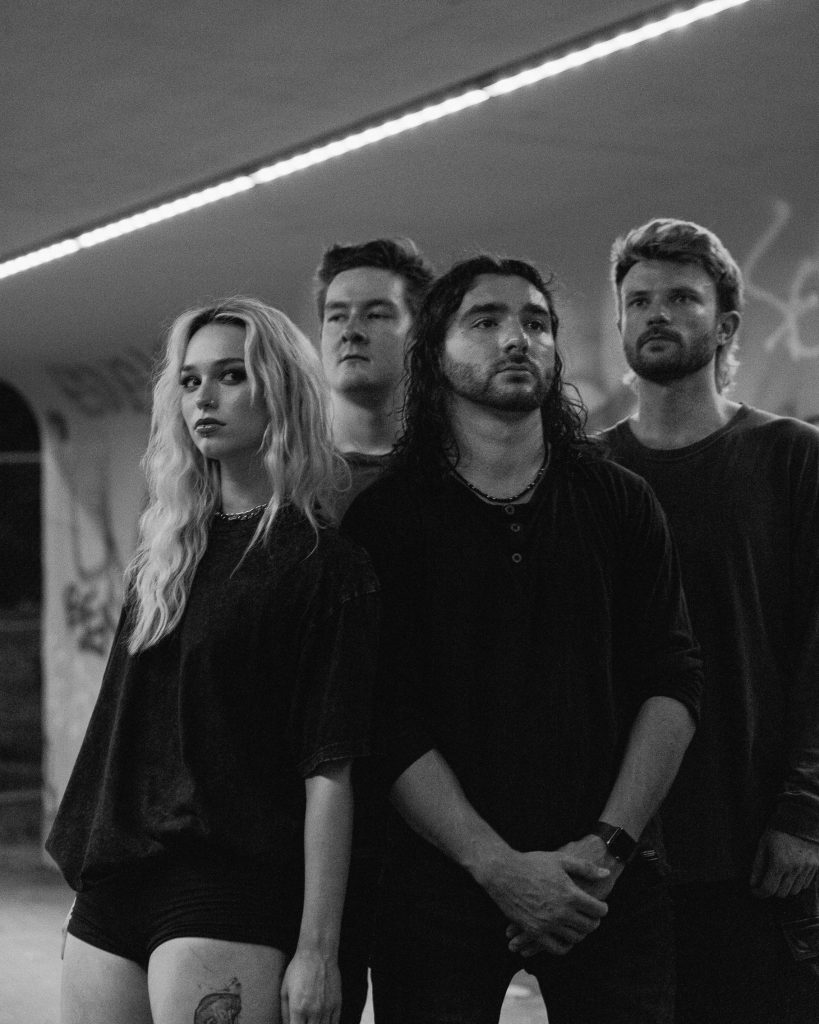
The Indie Distributor: That’s great. So, when you’re assessing opportunities, do you have more of a framework that you go through now to say, “Yeah, I’m going to go for this,” or “This is something I’ll probably pass on”? Because I’ve heard both sides. Say yes to everything because you have to take every opportunity you get, but then there’s also what you just said about someone turning out to be flaky. So what’s your approach?
Avalon Stone: I think whatever feels right. I heard, I think it was Larnell Lewis, who said that there’s three criteria. One of them is, is it fun? Are you going to genuinely have a really good time doing this? Two, does it make money? Are you just going to get your bag? And then three, is it going to be a good opportunity? Is it going to advance your career in some way, some obvious attainable way? Or maybe there’s a super great promoter there.
And it basically has to be two of three to say yes. I really like that message, and I’ve basically applied that going forward subconsciously. But I think that’s a great thing to get in your brain, where it has to have multiple kinds of value, because it’s a lot of effort and a lot of energy to be going out and doing a show or maybe doing a session or maybe doing whatever, right?
And you have to know that your energy is going to go into something valuable, because you could be at home writing a song. You could be going to a show and making connections. You could be practicing a lot. You could be creating something. So you have to know what your time and energy feels good being poured into. I feel like that’s also just gut.
The Indie Distributor: Yeah, that makes a lot of sense. So you mentioned that there were a couple of lineup changes as you progressed and you sort of merged into knowing that it was going to be a solo project. In that regard, how has your writing evolved working with different folks over the course of that time and up to now?
Avalon Stone: Honestly, I would say when I was in a band, it was more that we would all sit in a room together and they would figure out music parts and I would try to find melodies or lyrics that would fit into it, and then that’s how we would build songs. Usually we’d just sit there for however long it took.
So that was a very different kind of scenario, because we were all equal. We were all going to be playing the songs live, recording them, and there was equal amounts of energy and future for these songs for all of us, right? In terms of, do we want to play these songs every weekend for five years?
But as a solo artist, being able to write with so many different people who do this for a living, who are internationally acclaimed songwriters, or just people that I really admire, or people whose songs I listen to and go, “Wow, that’s incredible. I want to go into a writing session with them,” or just friends of mine that write in different genres that I’m like, “How do you work?” Then I basically take those approaches, and it’s kind of just an exploration of what could happen, because every songwriting session is different, right?
Sometimes somebody’s going to be more forceful. Sometimes somebody’s going to be really picky.
The Indie Distributor: As a collaborator?
Avalon Stone: Yeah. This happens, right? Maybe I won’t write with them again, or maybe I’ll make sure that I’m in a better headspace next time I do write with them, or more prepared.
So you need to basically be prepared for any kind of session that you might walk into as a solo artist. Hopefully the people that you’re going to work with are enthusiastic and flexible and happy to work with you and happy to know what you want, and also give you a bunch of ideas. No ego anywhere. That’s the best songwriting session. When they have ideas and they’re great, and then you have ideas, and it’s just like that. But it’s not always like that.
So learning how to be prepared for any kind of situation and how to make it work, and what you like, is super important. Honestly, for the EP that I have coming out next, I’m basically done. I have an EP coming out this month, obviously, and then I have one coming out later, and I’m already done that. It’s already recorded and everything, and I wrote it with amazing people and the process could not have been better. So it’s just kind of like, you’ve got to figure out who you vibe with, and writing with a bunch of different people helped me figure that out.

The Indie Distributor: Nice. That sort of leads into a question I had. You’ve got one EP coming out, I think on February 27th, right? Is the intent to do physical copies? Are those talks that you’ve had?
Avalon Stone: Yeah, I’ve thought about it, and it doesn’t make sense yet. It’s something that I definitely want to do and I’ve always wanted to do. I think if I was to make an album soon, then I would have physical of that. It’s just difficult. It’s also about demand.
Physical copies are wonderful and everybody wants them, obviously. Everybody wants to have their own vinyl, but you also have to understand that if there’s no demand for it, it’s expensive and it also kind of looks bad. Like, I have this vinyl that I’ve made of a collection of songs, and there’s nowhere for it to go unless you’re using it as a marketing strategy, where you’re giving it away to people at shows or mailing it to random people and saying, “I hope you like this.”
Unless you’re using it like that, then to sell it, it wouldn’t make sense. If you were to make limited quantities, maybe, but to sell it, it wouldn’t make sense.
The Indie Distributor: That’s why the question always comes up, because it’s something we talk about a lot too, whether it makes sense. Some of it is kind of a self-fulfilling thing, where it’s like, I want to have it because I’m very familiar with the LP format, and I miss having the tactile experience, looking through LPs. There’s an argument to just going through with it as a crystallization of the concept and the direction you were in at the time, even if it’s not a very sound financial decision. But I think you have an interesting take on it, to say that without that intentionality, it’s hard to make that decision.
Avalon Stone: Yeah, that’s the thing. I also would love to have an album or vinyl. I think this is my perspective on a lot of things. The first time you do something, it has to be very intentional.
So the first time you release a song when you’re just starting out has to be very intentional. You have to have a lot of pre-prep. You have to really find a good producer, really find a good mixer, reach out to a bunch of media places, submit all the things that you can all over Groover and all of those things, and see what you can get, and really promote it a lot as your first single, because that’s how people are going to know you straight out the gate.
The way that your first song performs does matter. If you’re getting a lot of media placement, awesome. If you’re getting a lot of streams, awesome. If you’re getting whatever, awesome. You don’t even have to have all of them. You just have to have something that builds hype.
So the first time you release a vinyl and you’re like, “Yay, first time I release a vinyl,” and there are three people lining up to get it, that’s not hype. People are going to see that, and they’re going to see the lack of demand, and they’re going to lose interest, unfortunately. That’s just how it is. But if you have thousands of people on your email list who are constantly asking you for vinyl, that’s a different story.
The Indie Distributor: You mentioned Groover. That’s not an ultimately well-known tool for indie artists in some cases. Is that part of your strategy regardless of release at this point?
Avalon Stone: Yeah. I mean, I always put it out a little bit. I used to do it way more when I was independent, but I do do it a little bit now, just not at the same volume. When I first started out, it was every playlist, every playlist I could possibly submit it to.
They obviously listen to it and then judge, and see. It’s not like you’re paying to get placed. You’re paying for them to listen to it to see if it’s worthy, right? So I wouldn’t think of it as pay to get your music out there.
The Indie Distributor: Pay to be placed.
Avalon Stone: Exactly.
The Indie Distributor: It’s also cost-prohibitive, though, right? They’re running a business. I don’t usually hear Groover get brought up, but I know it can have a profoundly positive effect, though only if, to use your word, there’s intentionality behind it. To say, I’m going to listen to what these people say about my work and take it to heart and then use it for my follow-up releases.
Avalon Stone: Yeah. And to piggyback on what you said, the intentionality when you submit to anything, whether that’s media outlets, playlists, podcasts, interviews, whatever kind of media placement is out there, it has to go along with your message, right?
I’m a hard rock artist. If I were to submit to a playlist on Groover saying, “Oh, beach days,” that doesn’t work.
The Indie Distributor: Or no offence to Bieber, but Bieberesque tracks, right?
Avalon Stone: Exactly. It just wouldn’t work. Not because my music is worse than that or better than that. It’s because it’s just not that.
So what ended up happening for my first release, and my first release is still number one on my streaming platforms, it’s toggled a little bit, but it’s going strong. Yeah, “Forget You.”
For that one, what ended up happening is it ended up going on a lot of workout playlists, and I was like, this is interesting. I wouldn’t have thought workout. Then even without Groover, it would end up on more workout playlists, and I’d be like, “Oh, this is interesting.” So it’s like, you never know what niche things are going to put you into the right category of people. That’s pretty cool.
And then obviously, as people listen to your music more, I’m most familiar with Spotify, but the Spotify algorithm will pick up on that and then push your music out to its listeners.
The Indie Distributor: Do you ever find yourself leveraging Spotify’s pay feature directly?
Avalon Stone: Yeah. We do campaigns, so it’s different. They don’t make people listen to it. It’s just a thing that pops up, and if people click on it and listen to it, then it costs money. So it’s still people having to click on the thing. They have to have enough interest to do that. It’s just like advertisements are everywhere. That’s what the labels do. That’s what the big labels do. That’s what everyone does.
The Indie Distributor: Do you find that that’s more effective than the sort of cross-platform pollination strategy of taking people from Meta to Spotify?
Avalon Stone: Yes. I find that most people that listen to me on Spotify, some of them follow me on Instagram, or a lot of them do, but it’s more of a… people rarely want to cross platforms. There are so many bands and artists that I’m obsessed with that I don’t even know what they look like until I see them live. You know what I mean?
So I feel like people don’t really, unless they become a super, super, super fan, want to follow you on Instagram until they’ve seen you live. Then I feel like a lot of people follow you on Instagram.
My email list is pretty long, so a lot of the people that follow me on Spotify are on my email list. It’s really interesting because you never know what social media platform is going to be relevant, right? So you’ve got to build the email list, because email is never going to go out of style. Everybody uses that.
The Indie Distributor: Well, it’s also the whole marketing side of things, being the owned media. You have control over your email list and ultimately your domain and your website, whereas social media, who knows what happens to some of these platforms when the tectonic plates start to shift around, right?
Avalon Stone: Yeah. I will say Meta is influential to Spotify’s algorithm. The more engagement that you get on Instagram, the more times you post and the more times you’re active, the better. Spotify will literally push your music out because Meta will say, “Oh, look, all these people are interested in Avalon Stone,” and Spotify will be like, “Oh, okay,” and then it will just go and throw your music out there.
So if I take a break from posting for a while, then I notice it. I don’t think it’s specifically people from Instagram all the time going to those streaming platforms. I think it’s algorithmic. I think it’s different, though, when you release something. When you first release something, then people who follow you, if you post a lot, will go and listen to it. But in between releases, I don’t really think it correlates too much on a first-hand basis.
The Indie Distributor: Let’s face it, these platforms are intended to keep people glued to them. There’s not a lot of priority given to people who are expected to leave one platform and go to another one to consume your content. So again, I guess the theme of the talk here is intentionality, knowing that if you’re going to be referencing things on Instagram, make sure that you know what that’s going to look like and don’t expect people to follow you over to these other platforms, right?
So what do you think, over the course of your career, has been some of the best advice you’ve received from either another artist or someone in the industry?
Avalon Stone: The best piece of advice? That’s tough. I’ve had a lot of advice. Honestly, all of the advice that I’ve received that has really stuck with me has been hard to hear. I think that’s kind of interesting. It’s never been encouraging, like, “Oh, you got this,” or “You’re so good,” or anything like that. That has never stuck with me the way tough advice has.
When I went to blues camp when I was like 13, there was this woman, she’s an incredible singer, incredible. She taught there, I think she still might. She came up to me and she was like, “Avalon, I don’t say this to anybody. I’ve only said it to one other person before you. I think you have it, but people are never, ever, ever going to take you seriously if you don’t pick up an instrument.”
I know. It is interesting, and I think it’s true. I don’t think it’s always true, but I think it’s true in the rock genre or the blues genre or stuff that’s very guitar or instrument based. I think it doesn’t happen as much in pop or hip-hop or stuff like that. I don’t think it’s as relevant. But she was so right, because being a woman in the rock and blues industry, people didn’t take me seriously until I picked up an instrument. They didn’t.
The Indie Distributor: I wondered if that was something that, not to call too much attention to that side of it, but I can see that, unfortunately. It sort of lends into the type of challenges that you have as a female artist, maybe especially in this genre, because a lot of the influences that I’ve seen in your bio, it’s very male-dominated. So what are some of the ways that you’ve approached that, and are there things you can impart onto other female indie artists?
Avalon Stone: Of course. I think basically the message behind that piece of advice was, it’s about what you convey on stage, how much presence you have, right?
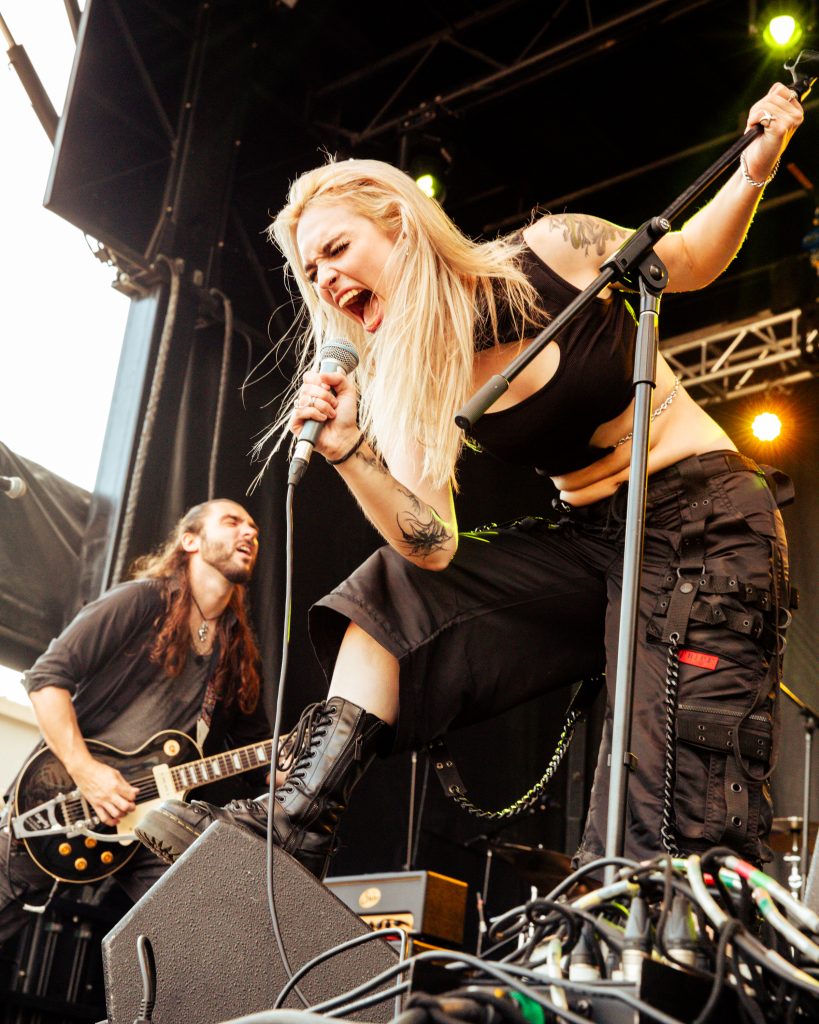
I’ll have people come up to me and be like, “Yeah, I’m starting out and I’m playing shows and I just don’t know what to do with my hands. I don’t know what to do on stage.” I went through that when I started. I still feel like that sometimes when I take my guitar off. I’m like, I have these now.
So what I kind of try to say is just be insane. Do crazy things that people wouldn’t expect you to do. Do things that create moments and stand out, and use your hands in interesting ways. You don’t have to just stand there and sing pretty. You can flail them around if you want to. Practice doing that. Practice looking insane literally, in front of people.
My performance coach, Luther Mallory, taught me how to do a whole bunch of stuff, and our sessions were great. It’s been a while since I’ve seen him, but he’s absolutely incredible. He basically told me that you have to do so many different warm-ups. There’s vocal warm-ups, and then there’s energy warm-ups, and then there are crazy warm-ups where you just act insane and do the weirdest things you can think of, like crab walk in the green room before you go on stage, because then nothing you do on there is going to be weirder than what you just did, so it all feels safer.
The Indie Distributor: What happens if you throw out your back or something while doing said crab walk?
Avalon Stone: Well, you know, no pain, no gain.
The Indie Distributor: I suppose that’s true. That’s a really interesting take on it, because that’s the first time I’ve heard somebody doing or recommending the three sort of disparate warm-ups. Also, with the genre, in some cases there’s criticism around taking care of your voice. Like, “All I need is Jack Daniels and a pack of menthols.” But clearly, as a professional artist, you have to take that aspect seriously.
Avalon Stone: You do. Otherwise, you won’t be able to do it forever. You won’t be able to have a sustainable career if you don’t take care of your voice.
I try to warm up every time. Unfortunately, some shows that I do, there’s no space for it. It’s harder in the winter because in the summer I could walk a couple of streets over and start warming up vocally, but in the winter there’s no point. There’s no point warming up your vocal cords in minus 30 degrees. It’s not going to work.
A lot of the time, I have a lot of songs where I hit high notes, so for me it’s very important to warm up. But again, I don’t always get that. I don’t always get the space or the time or the energy to do that. Things happen. But for the most part, I think it’s more of a philosophy where it’s like, take care of yourself, take care of your voice, because you are the instrument, right?
On show days, I watch what I eat. I watch what I do. I only have like one drink before I go on stage, if that, if I’m just feeling like, yeah, why not. It all makes a difference.
That piece of advice was really game-changing for me, too, because I was able to do a lot more interesting things on stage once I started acting like a weirdo offstage. It just works. It really does.
That’s kind of what I try to tell people who are like, “I don’t know what to do on stage. I don’t know how to perform.” I’m like, be as weird as you can before you go on stage, and then you’re kind of going to be in that energy, and nothing you do on stage is going to feel as weird, because micro-movements on stage that might feel weird as the performer, the crowd is not even going to notice.
So if you go weird crazy before stage, and then you get on there and you do pretty out-there weird moves, people are going to be like, “Hell yeah, that’s cool.” It’s not about trying to be as weird as possible on stage. It’s about feeling comfortable in your movements that fit the vibe.
I feel like a lot of the time, people do know what to do. They’re just afraid of doing it. So I’m just like, if you’re not having a guitar, also try not having a guitar, because I play with a guitar, but then when you take it off, it’s like, oh no. So it really is just being comfortable on stage and stuff like that.
I do talk to women about experiences in the music industry and what it means to be a woman in a male-dominated field and what that’s like. But the conversations never really have to be that long, because it’s like, we both know. But if anyone ever would like to talk to me about that, anyone who’s watching this podcast, please shoot me a message. I’ve been through a lot, and I can hopefully impart some of that wisdom that I’ve learned.
The Indie Distributor: Nice. That also lends into the fact that I know you have a passion for mental health and some other initiatives that you’ve had over the years. How can fans best support that initiative, but also you in general?
Avalon Stone: Honestly, it’s not about what the fans can do for me or that cause. It’s what I can do for that cause and for them.
It’s essentially like, show up to the shows, send me a message, say, “Hey, this resonated with me. This made me feel this way.” I’ve had a few people message me saying, your song “Harder” is what I listen to when I need a good cry or I just need to let it out, or this really made me feel a certain way, and I’ve been waiting for somebody to say this like this.
That in turn fills me with so much fulfillment. Like, wow, these songs don’t just matter to me, but they matter to other people as well. They could matter to so many people and make people feel like they’re less alone in their struggles or make people feel heard and validated.
It makes me feel validated when somebody else is like, “Oh, I go through the same…” I’m like, okay, I’m not the only one. Thank God. It’s not just me.
So honestly, that’s what I ask. If you want to engage with those things, obviously also donate to mental health awareness or mental health programs. I try to as much as I can. I think it is really about supporting and being in the same space as people who understand you, as a sort of catharsis.
When I’m on stage, and over time since I started this project and released “Harder,” that one is definitely the most emotional and cathartic, sad ballad song that I have. It was my second song, which everyone called me crazy for, because they were like, “You just came out with this banger and now you’re just going to go do a ballad.” And I was like, watch. Just watch.
For the first year it was bottom, bottom of everything. Then one year I started posting it a lot, and then it picked up and now it’s number two. It actually passed “Forget You” at one point for five months, and I was like, I told you. Trust your gut.
So when I’m on stage and I’m singing “Harder,” I always get emotional because that song always feels relevant to me, whether it’s because it’s so broad that it could mean so many different things. I get emotional on stage, and then I look out into the audience and I see people singing it with me, and it’s like, that’s what it’s all about.
It’s not that I feel happy. I just feel shared and heard and held in a really interesting way. It’s like, okay. It’s this really good catharsis kind of feeling. It’s bittersweet, but it’s also so real. It’s such a raw feeling to feel that, because I’m like, damn, all these other people are going through this. I’m so glad that I’m creating a space where they feel like they can share that.
So that’s what I love to do.
The Indie Distributor: I love that. That’s excellent. So what does success look like? Everybody says “make it” in the music industry, but what does that actually look like?
Avalon Stone: There’s no such definition for making it. I will say that I think making it is… you can make it and still have to work a day job. I think success for me is to be able to do this for my life, and to always improve, and to always feel fulfilled, and to feel nourished by music, and to feel like I’m always improving. I think I already said that. And also be able to see every part of the world imaginable and play to lots of people.
The Indie Distributor: That’s certainly an obtainable goal given your current trajectory. So then, what’s next? You’ve got the EPs releasing this month, and then what else is coming up?
Avalon Stone: Yes. I’m playing February 28 at Sonic Hall with Kasador and Deer Fang, which are great, great bands. Super stoked for that. Then March 28, I’m playing in Toronto. It’s called Bitch Fest. It’s a bunch of female-fronted bands in a festival. I’ve played that a few times and just love being around other women. I love my guys, but it’s nice.
Then I’m going to Brazil in May, which is very exciting. I have a bunch of shows that are going to be announced. But yeah, really mostly working on music and putting out something really great and building worlds around it, building visuals and strengthening my presence visually, whether that’s on social media or whatever.
But really trying to find my people, I think, is my main thing, because I feel like the first step is your music has to be incredible and really, really good and undeniable, and the second one is you need to find the people that want to hear this. So I feel like I’m obviously always going to be working on that first one, but I feel confident now enough to focus on getting my stuff out there, because so many people already listen to my music, which I feel incredibly grateful for. I’m floored all the time about how many people listen to my music.
So I’m just like, okay, well, how do we expand? So that’s what I’m focusing on right now.
The Indie Distributor: I think that’s wonderful. For indie artists that are just getting started, there’s no such thing as overnight success. It’s the 10 years that get you to overnight. There’s no easy, cutting-corners way. But I think what you’ve shed light on is cultivating your people, and then also ensuring that you have a way to get hold of them that you essentially own. The fact that you’ve cultivated your email list is a very important aspect to your marketing mix as an artist.
Avalon Stone: It is, yeah. And I also have a community platform on my website called Stone Circle. So I have a bunch of people who have that community vibe as well. That’s what I love doing, really, is connecting with people.
The Indie Distributor: Cool. All right. Well, thank you so much for taking the time to jump on the podcast today, Avalon Stone. You’ve obviously got a lot of stuff going on, and we’re going to be rooting for you and watching as things progress. Can’t thank you enough for jumping on.
Avalon Stone: Thank you for having me. It was a pleasure.